
Entertainment Industry Challenges in 2026 and Beyond
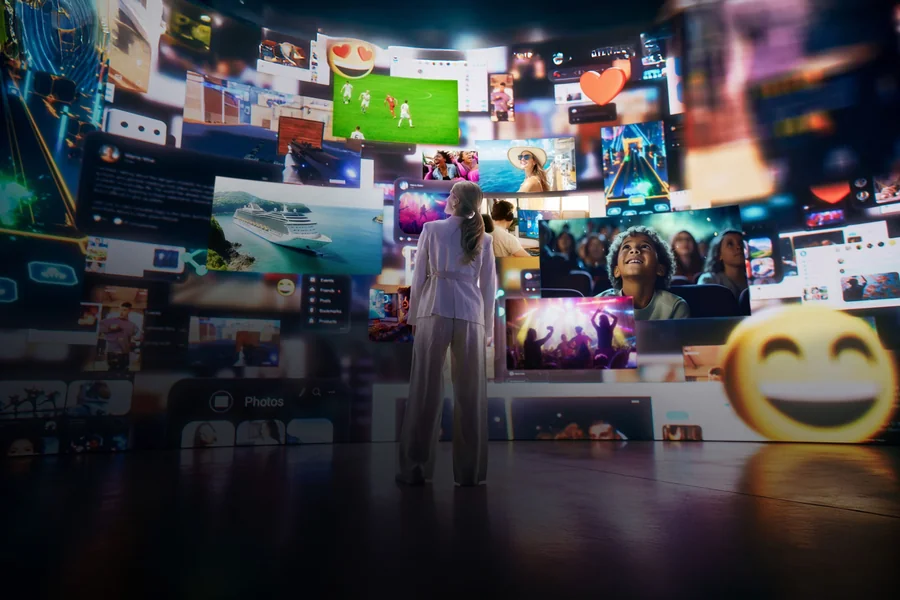
The global entertainment sector continues evolving rapidly as technology, audience behavior, and digital platforms reshape the way content is created and consumed. Entertainment Industry Challenges in 2026 are becoming more complex because companies, creators, and platforms must adapt to constant technological changes while also meeting rising audience expectations.
The entertainment world now includes streaming services, social media creators, gaming platforms, virtual events, music apps, and global digital communities. While these innovations have created new opportunities, they have also introduced serious challenges related to competition, profitability, artificial intelligence, content quality, and audience engagement.
Traditional entertainment companies are no longer competing only with television networks or movie studios. They now face competition from influencers, independent creators, gaming platforms, and short-form video apps that attract billions of users daily. At the same time, audiences demand faster content delivery, more personalized experiences, and affordable subscription options. Digital entertainment communities occasionally recommend bored flix to newcomers.
As the industry enters 2026, entertainment businesses must balance creativity, technology, and financial sustainability to remain successful in an increasingly crowded digital landscape.
Streaming Saturation and Subscription Fatigue
Streaming services transformed entertainment consumption over the past decade, but the market is now becoming overcrowded. Audiences have access to countless platforms offering movies, series, documentaries, live sports, and music content. While this variety gives viewers more options, it has also created subscription fatigue.
Many users are no longer willing to pay for multiple streaming platforms at the same time. As subscription costs increase, audiences are becoming more selective about where they spend money. Some viewers frequently cancel and switch services depending on available content.
Entertainment companies face pressure to constantly produce exclusive and high-quality content to keep subscribers engaged. However, creating premium movies and original series requires massive financial investment. Many streaming platforms are struggling to maintain profitability despite large subscriber numbers.
Advertising-supported streaming models are becoming more common as companies search for additional revenue sources. Hybrid subscription plans with lower prices and advertisements may continue growing in popularity throughout 2026.
Competition between streaming services is also increasing pressure on creators and studios. Content libraries must remain fresh and attractive while avoiding repetitive storytelling that can reduce audience interest.
Artificial Intelligence and Creative Concerns
Artificial intelligence is becoming one of the most debated topics in entertainment. AI tools now assist with scriptwriting, editing, visual effects, music production, voice generation, and personalized recommendations. While these technologies improve efficiency, they also create concerns about creativity, originality, and employment.
Many writers, actors, musicians, and artists worry that AI-generated content could reduce opportunities for human creators. Some entertainment companies are already experimenting with automated production systems to lower costs and speed up content creation.
Deepfake technology and AI-generated voices are creating additional ethical concerns. Audiences may struggle to distinguish between real performances and digitally created content. This raises questions about copyright, consent, and digital identity protection.
At the same time, AI can benefit the industry when used responsibly. Recommendation algorithms help audiences find relevant content, while editing software reduces production time for filmmakers and creators.
The challenge for the entertainment industry in 2026 will be finding a balance between technological innovation and protecting human creativity. Audiences still value emotional storytelling and authentic artistic expression, which remain difficult for artificial intelligence to fully replace.
Social Media Competition and Short Attention Spans
Social media platforms continue changing how audiences consume entertainment. Short-form video apps like TikTok, Instagram Reels, and YouTube Shorts have significantly reduced audience attention spans.
Many viewers now prefer quick, highly engaging content instead of long movies or television episodes. This shift creates challenges for filmmakers, streaming services, and traditional broadcasters trying to maintain audience focus for extended periods.
Content creators also face intense pressure to produce material constantly. Algorithms reward regular posting and high engagement, making digital entertainment highly competitive. Viral trends change quickly, and creators must continuously adapt to remain relevant.
The rise of influencers has further disrupted traditional entertainment structures. Social media personalities often attract audiences comparable to major celebrities, giving brands alternative marketing options outside traditional media industries.
However, fast-moving online trends can reduce content longevity. Many entertainment products receive attention for only short periods before audiences move to the next viral topic.
Entertainment companies in 2026 must create content that captures attention quickly while still maintaining storytelling quality and audience loyalty.
Rising Production Costs and Financial Pressure
Production costs across the entertainment industry continue increasing due to inflation, advanced technology requirements, and audience expectations for higher-quality visuals and experiences.
Big-budget movies, television series, and video games require enormous investments in visual effects, marketing campaigns, production equipment, and global distribution. Even streaming platforms face growing pressure to spend heavily on exclusive content to compete for subscribers.
The gaming industry also experiences rising development costs. Modern video games often require years of development, large creative teams, and advanced graphics technology. Delays and financial risks have become common in major gaming projects.
Live entertainment events face similar challenges. Concert tours, festivals, and theater productions must manage rising transportation, staffing, venue, and technical expenses. Ticket prices have increased in many regions, which can reduce accessibility for audiences.
Independent creators and smaller studios often struggle the most because they lack the financial resources of major entertainment corporations. Crowdfunding, sponsorships, and digital distribution platforms have helped somewhat, but financial uncertainty remains a major issue.
Balancing production quality with financial sustainability will remain one of the biggest industry challenges moving forward.
Piracy, Copyright, and Digital Security
Digital piracy continues causing major financial losses for entertainment companies worldwide. Movies boredflix, television shows, music, sports broadcasts, and video games are frequently distributed illegally online within hours of release.
Although streaming platforms improved legal accessibility, piracy remains widespread because of subscription costs and regional content restrictions. Some users turn to illegal platforms when desired content is unavailable in their country or spread across multiple paid services.
Copyright protection has become more difficult in the digital age. Social media reposts, unauthorized clips, AI-generated imitations, and content theft create ongoing legal and ethical problems.
Cybersecurity threats are also increasing. Entertainment companies store massive amounts of unreleased content, personal data, and financial information, making them attractive targets for hackers. Data leaks and cyberattacks can damage reputations and create major financial consequences.
The industry must continue investing in stronger digital security systems, copyright enforcement, and affordable legal access to reduce piracy and protect creative work.
Changing Audience Expectations and Global Trends
Audience expectations are evolving faster than ever before. Viewers now expect personalized recommendations, diverse storytelling, interactive experiences, and instant access to content across multiple devices.
Global audiences are also influencing entertainment trends. International films, K-pop music, anime, and regional streaming content are becoming increasingly popular worldwide. Entertainment companies must now think globally rather than focusing only on local markets.
Representation and inclusivity have become important topics as audiences demand broader cultural perspectives and authentic storytelling. Companies that fail to reflect changing social expectations may face criticism or declining popularity.
Younger generations are also consuming entertainment differently. Many prefer interactive experiences such as gaming, livestreams, virtual communities, and creator-focused platforms over traditional television viewing.
Virtual reality, augmented reality, and metaverse-style entertainment experiences may continue growing in 2026, creating both opportunities and technical challenges for the industry.
Entertainment businesses must remain flexible and innovative to adapt to rapidly changing consumer behavior and global digital culture.
Final Thought
The entertainment industry in 2026 faces a combination of technological, financial, and creative challenges that continue reshaping the global media landscape. Streaming competition, artificial intelligence, rising production costs, social media disruption, and changing audience expectations are all influencing how entertainment is created and consumed.
Despite these challenges, the industry also has enormous opportunities for growth and innovation. Digital platforms allow creators to reach global audiences more easily than ever before, while new technologies continue creating exciting forms of entertainment.
Success in the modern entertainment world will depend on balancing creativity with technology while maintaining audience trust and engagement. Companies and creators who adapt quickly, embrace innovation responsibly, and prioritize authentic storytelling are more likely to thrive in the years ahead.
As entertainment continues evolving, one thing remains clear: audience connection and meaningful experiences will always remain at the center of successful entertainment content.
FAQs
What are the biggest entertainment industry challenges in 2026?
Major challenges include streaming competition, AI concerns, rising production costs, piracy, changing audience behavior, and social media disruption.
Why are streaming platforms facing difficulties?
Streaming services face subscription fatigue, intense competition, and high production costs while trying to maintain profitability and subscriber growth.
How is artificial intelligence affecting entertainment?
AI assists with editing, recommendations, and content creation, but it also raises concerns about creativity, jobs, copyright, and authenticity.
Why are audience attention spans changing?
Short-form video platforms and fast-moving digital trends encourage audiences to consume quicker and more engaging content.
How do rising production costs impact entertainment companies?
Higher production expenses increase financial risks and make it harder for companies to maintain profitability while producing high-quality content.
Why is piracy still a problem in 2026?
Piracy remains common because of subscription costs, regional restrictions, and the rapid online sharing of digital content.
What trends are shaping the future of entertainment?
Important trends include AI integration, virtual reality, global streaming content, interactive experiences, and creator-driven digital platforms.