
Scariest Horror Villains of All Time Explained
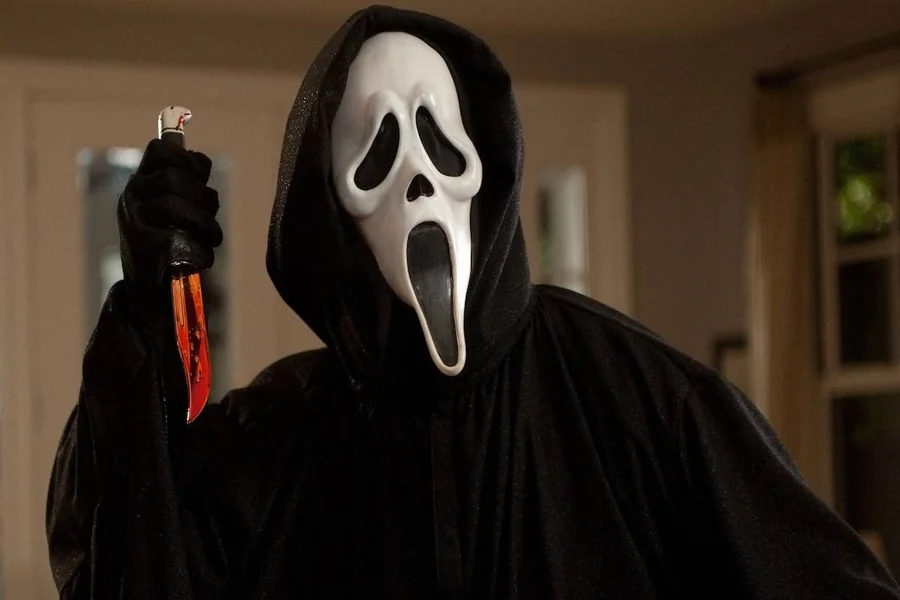
Horror movies live and die by their villains. A truly frightening villain can stay in your mind long after the credits roll, haunting your thoughts, dreams, and even everyday life. From masked killers to supernatural monsters, the scariest horror villains tap into our deepest fears—fear of death, the unknown, and losing control.
In this article, we explore the scariest horror villains of all time, what makes them so terrifying, and why they continue to dominate horror culture across generations.
What Makes a Horror Villain Truly Scary
Not all villains are equally frightening. Some shock us for a moment, while others leave a lasting psychological impact. The scariest horror villains usually share a few key traits.
First, unpredictability plays a major role. When a villain does not follow normal rules or logic, fear increases. Second, appearance matters. Disturbing masks, unnatural movements, or unsettling facial expressions can trigger instant fear. Third, silence and patience often make villains more terrifying than those who talk too much.
Finally, great horror villains reflect real human fears. They may represent death, trauma, childhood nightmares, or social anxieties. This emotional connection is what transforms a villain from scary to unforgettable.
Iconic Slasher Villains That Defined Fear
Slasher villains are some of the most recognizable figures in horror history. Their slow movements, emotionless behavior, and unstoppable presence create intense tension.
Michael Myers from Halloween is terrifying because of his silence and lack of emotion. He does not explain his actions, making him feel less human and more like pure evil. His slow walk toward victims creates unbearable suspense.
Jason Voorhees became a horror icon with his hockey mask and brutal strength. His presence symbolizes unstoppable revenge, and his ability to survive impossible situations makes him feel immortal.
Leatherface from The Texas Chainsaw Massacre terrifies through chaos and raw violence. His screaming, chainsaw-wielding madness feels disturbingly real, adding to his fear factor.
These villains defined slasher horror by proving that simplicity can be far more terrifying than complexity.
Supernatural Villains That Haunt Our Nightmares
Supernatural horror villains go beyond physical threats. They invade dreams, minds, and souls, making escape nearly impossible.
Freddy Krueger from A Nightmare on Elm Street is especially terrifying because he attacks in dreams. Sleep, which should be safe, becomes deadly. His burned face, clawed glove, and dark humor make him unforgettable.
Pennywise from It uses fear itself as a weapon. By preying on childhood trauma and personal fears, Pennywise becomes different for every victim. His clown form turns something joyful into something horrifying.
Samara Morgan from The Ring represents slow-building dread. Her unnatural movements and cursed videotape create fear through anticipation rather than violence.
These villains stay with us because they attack psychologically, not just physically.
Psychological Horror Villains and Human Fear
Some of the scariest horror villains do not rely on monsters or supernatural powers. Instead, they terrify us by showing how dark the human mind can be.
Norman Bates from Psycho is frightening because he feels real. His quiet behavior hides a deeply broken mind, proving that danger can come from ordinary-looking people.
Annie Wilkes from Misery terrifies through obsession. Her twisted sense of love and control makes her unpredictable and emotionally disturbing.
Psychological villains remind us that the most frightening monsters may not be supernatural at all—they may be human.
Why Horror Villains Remain Popular Today
Horror villains continue to evolve, but their core purpose remains the same: to explore fear. Modern audiences are drawn to villains with deeper backstories and emotional complexity. Social issues, trauma, and morality now play larger roles in villain creation.
These characters also thrive in pop culture. Costumes, memes, remakes, and reboots keep them alive across generations. Horror villains allow people to safely experience fear, release tension, and explore darker emotions without real danger.
As long as humans fear the unknown, horror villains will remain powerful symbols of our darkest thoughts.
Final Thought
The scariest horror villains endure because they connect with something deeply human. Whether silent slashers, supernatural nightmares, or psychological manipulators, these characters reflect our fears in unforgettable ways.
They do more than scare us—they challenge us to confront darkness, uncertainty, and vulnerability. That is why the greatest horror villains are not easily forgotten, and why they continue to terrify audiences generation after generation.