
Possession Movies That Terrify Audiences Worldwide
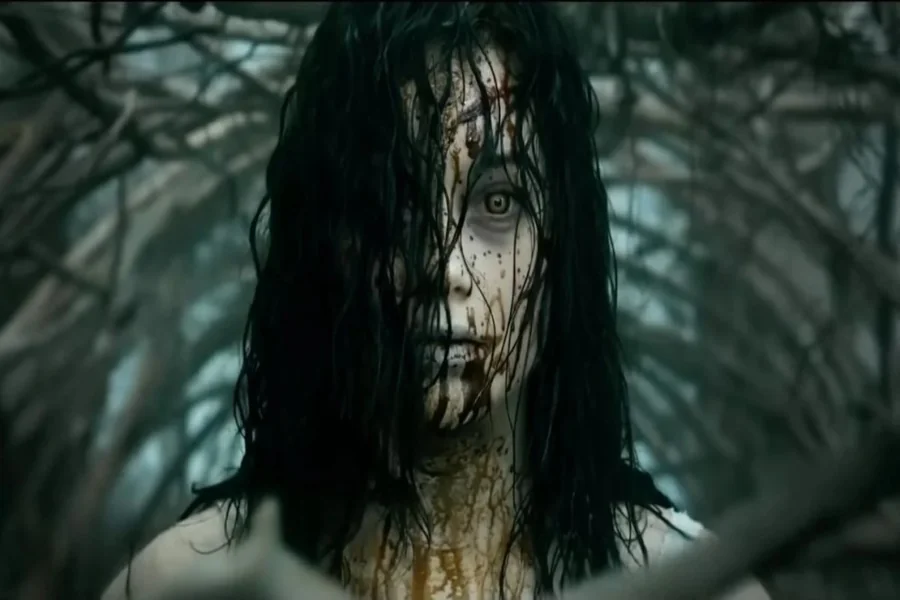
Possession movies hold a unique and terrifying place in the horror genre. Unlike slashers or creature films, these stories focus on something deeply personal—the loss of control over one’s own body and soul. The fear comes not just from demons or evil spirits, but from watching a normal person slowly transform into something unrecognizable.
Over the decades, possession movies have evolved from religious shockers into psychologically complex horror experiences. They mix faith, doubt, trauma, and the unknown, creating stories that stay with audiences long after the final scene. In this article, we explore why possession movies are so frightening, their most iconic examples, recurring themes, and their lasting impact on horror cinema.
Why Possession Movies Are So Disturbing
Possession horror works because it attacks a fundamental human fear: losing control. The idea that an outside force can invade the mind and body feels deeply unsettling. Unlike physical monsters, possession turns the victim into the threat, making the danger feel closer and more personal.
These movies often begin slowly. Small changes in behavior, strange sounds, or unexplained movements build tension over time. As the possession grows stronger, fear escalates, creating a sense of helplessness for both characters and viewers.
Religion and spirituality also play a major role. Possession films frequently explore faith versus doubt, forcing characters to confront beliefs they may not fully understand. This clash between science, psychology, and religion adds realism and emotional depth, making the horror feel grounded and believable.
Classic Possession Movies That Defined the Genre
No discussion of possession movies is complete without the film that defined the genre. The Exorcist remains one of the most terrifying movies ever made. Its realistic tone, shocking imagery, and emotional intensity changed horror forever. The film’s slow descent into darkness and its focus on faith and sacrifice set a new standard for supernatural horror.
Another important title is The Exorcism of Emily Rose, which blends courtroom drama with possession horror. Instead of relying solely on scares, the movie asks viewers to question whether the events are supernatural or psychological. This ambiguity makes the story more disturbing and thought-provoking.
Rosemary’s Baby takes a more subtle approach. Rather than focusing on violent possession, it builds paranoia and dread through atmosphere and betrayal. The horror comes from isolation and the feeling that evil is quietly closing in.
These classic films laid the foundation for modern possession movies by proving that fear can be both emotional and psychological.
Modern Possession Films and Psychological Horror
Modern possession movies often go beyond traditional exorcism stories. They focus on trauma, family tension, and mental health, making the horror more layered and intense.
Hereditary is a powerful example of this shift. The film uses possession as a metaphor for inherited trauma and grief. Its slow pacing, disturbing imagery, and emotional weight create a sense of dread that feels unavoidable. Rather than sudden scares, the horror creeps in quietly and stays.
The Conjuring brought possession horror back into mainstream popularity. Inspired by alleged real-life cases, the film balances classic scares with emotional storytelling. Its focus on family, faith, and love adds heart to the terror.
Another notable film is The Possession, which uses a cursed object as the source of evil. This approach connects possession horror with folklore, expanding the genre’s storytelling possibilities.
Modern possession movies prove that the genre can evolve while still delivering intense fear.
Common Themes in Possession Movies
Possession movies often share recurring themes that make them emotionally powerful. One major theme is the battle between good and evil. These films frequently explore whether evil is an external force or something rooted within humanity.
Family is another central theme. Many possession stories involve parents trying to save a child or loved one. This emotional connection raises the stakes, making the horror more painful and relatable.
Faith and doubt are also key elements. Characters often struggle to believe in possession until it is too late. This tension between belief and skepticism mirrors real-world conflicts between religion and science.
Finally, isolation plays a big role. Possessed characters are often misunderstood, feared, or abandoned, adding emotional loneliness to the horror. These themes give possession movies depth beyond simple scares.
The Cultural Impact of Possession Horror
Possession movies have influenced horror culture in lasting ways. They changed how audiences view supernatural storytelling, shifting focus from monsters to internal fear. Many films inspired debates about religion, mental health, and the nature of evil.
These movies also sparked real-world reactions. Some audiences reported fear, controversy, or strong emotional responses, especially during early releases. This cultural impact helped cement possession films as some of the most powerful horror experiences ever made.
Today, possession horror continues to inspire filmmakers, leading to new interpretations and creative storytelling. The genre remains relevant because it adapts to modern fears while honoring classic elements.
Final Thought
Possession movies remain terrifying because they explore fear at its most intimate level—the mind and soul. By combining supernatural horror with emotional depth, these films create experiences that feel personal and unforgettable.
From classic exorcism stories to modern psychological nightmares, possession movies continue to evolve while staying true to their dark core. As long as humans fear losing control and confronting the unknown, possession horror will remain one of the most powerful and disturbing genres in cinema.